Effective adhesive selection starts with application requirements, not a comparison of strength figures. The same material may perform differently with different surface conditions, joint structures and curing processes. Clearly defining the problem helps narrow the candidate materials.
01 / What surfaces are you actually bonding?
Record the material, grade and surface condition of both substrates. Include coatings on metals, mold-release agents on plastics, and any oil contamination. On a coated part, the adhesive may contact the coating rather than the metal beneath it. [Reference]
02 / What is the joint structure and loading mode?
Distinguish fixing, reinforcement, structural bonding, sealing and potting. Specify bond area, bond-line gap, assembly tolerances and likely loading directions. A shared material name does not mean identical performance in every joint design.
03 / What environment will the product face?
List service temperatures, temperature changes, humidity, vibration and contact media. Distinguish short-term processing conditions from long-term service conditions. Do not apply a brochure temperature range without checking the specific model and validation conditions.
04 / How does your equipment apply adhesive?
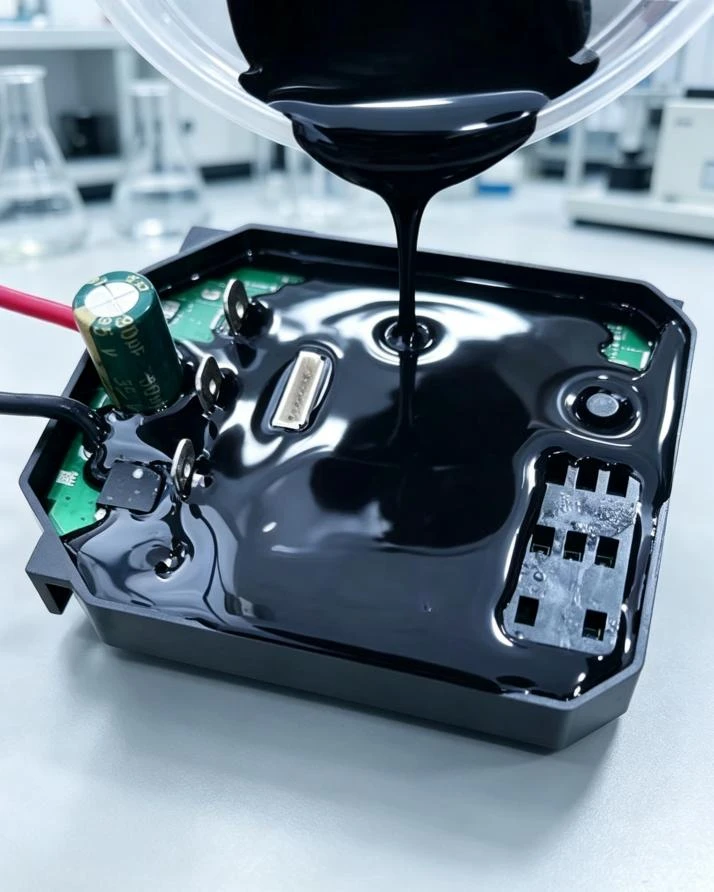
Describe manual dispensing, automated dispensing, stencil printing or pouring, along with flow consistency and equipment-to-packaging compatibility. Viscosity is only one indicator; flow and positioning must also be observed under actual application conditions.
05 / Which curing conditions are permitted?
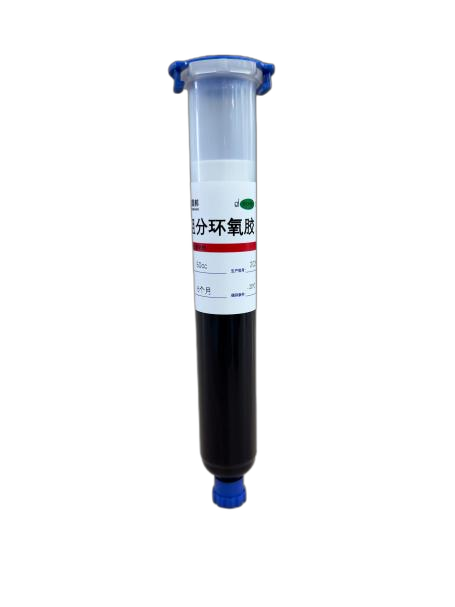
Confirm whether parts can be heated, UV light can reach the adhesive layer and two-part mixing is permitted. Plan the process between positioning and full cure. The ANGUBANG brochure includes heat-curing, light-curing, moisture-curing and two-part systems; verify conditions for each model.
06 / How will you validate the selection?
Agree on acceptance methods in advance. Prepare samples using actual substrates and processes, check the initial bond condition, and conduct suitable environmental and reliability validation against product requirements. Record sample, bond-line, dispensing and curing conditions to compare candidates meaningfully.
Discussion Points
| Information to Prepare | Discussion Examples |
|---|---|
| Substrates & Surfaces | Material grades, coatings and cleanliness |
| Structure & Objectives | Bond-line gap, loading mode, bonding or potting |
| Process & Environment | Dispensing method, permitted temperatures and service environment |
| Validation Requirements | Test items, sample conditions and acceptance criteria |
A requirements brief covering substrates, structure, environment, dispensing, curing and validation makes application discussions more useful than simply asking which adhesive is strongest.
References
This article draws on the listed sources as a reference for process discussions. Selection, curing conditions and performance targets require the latest model documentation and validation in the actual application.