“One-part is more convenient” or “two-part is stronger” is not enough to make a selection. The number of components describes how a product is supplied and used; final performance also depends on formulation, substrates, joint structure and curing process.
One-part: no mixing step, but curing conditions still matter
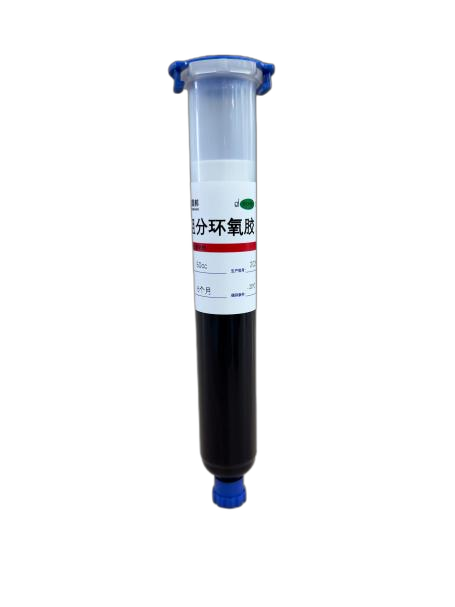
One-part adhesives usually require no on-site mixing of two components, but different materials depend on different curing conditions. In the ANGUBANG brochure, SMT red adhesive and one-part epoxy use heat curing, UV adhesives require ultraviolet light, and some PUR and MS systems cure with moisture. First confirm that the product structure and equipment can meet those conditions.
Two-part: consider ratio, mixing and time together
Two-part materials are mixed in the specified ratio before use. Check how the ratio is expressed, mixing requirements and working time. Do not apply one model's ratio to another. Two-part materials in the ANGUBANG brochure include model systems with ratios of 1:1, 2:1, 5:1 and 10:1.
Open time and full cure are different
Confirm the time available for application, the time before parts can be positioned or handled, and the curing time needed to achieve specified properties. Changes in temperature, mixing and dispensing may affect the process window. Plan cycle times using specific model documentation and actual process validation.
Compare production-line conditions, not just component counts
If parts can withstand the specified heating process, evaluate appropriate heat-curing one-part materials. For room-temperature assembly, compare suitable two-part or other systems. Check whether light curing is appropriate where parts block the light; for moisture-curing materials, discuss bond-line structure and actual curing conditions.
Discussion Points
| Comparison Factor | What to Confirm |
|---|---|
| Application Format | Mixing requirements, packaging and dispensing method |
| Curing Mechanism | Heat, light, moisture or two-part reaction |
| Process Window | Working, positioning and full-cure conditions |
| Validation Method | Cure state and performance in the actual structure |
Choosing a system means choosing conditions compatible with your production line. The feasibility of a specific model's process matters more than the one-part or two-part label.
References
- ANGUBANG Product Brochure · One-Part Epoxy Adhesive
- ANGUBANG Product Brochure · Two-Part Epoxy Structural Adhesive
- 3M · Structural Adhesives FAQs
This article draws on the listed sources as a reference for process discussions. Selection, curing conditions and performance targets require the latest model documentation and validation in the actual application.